
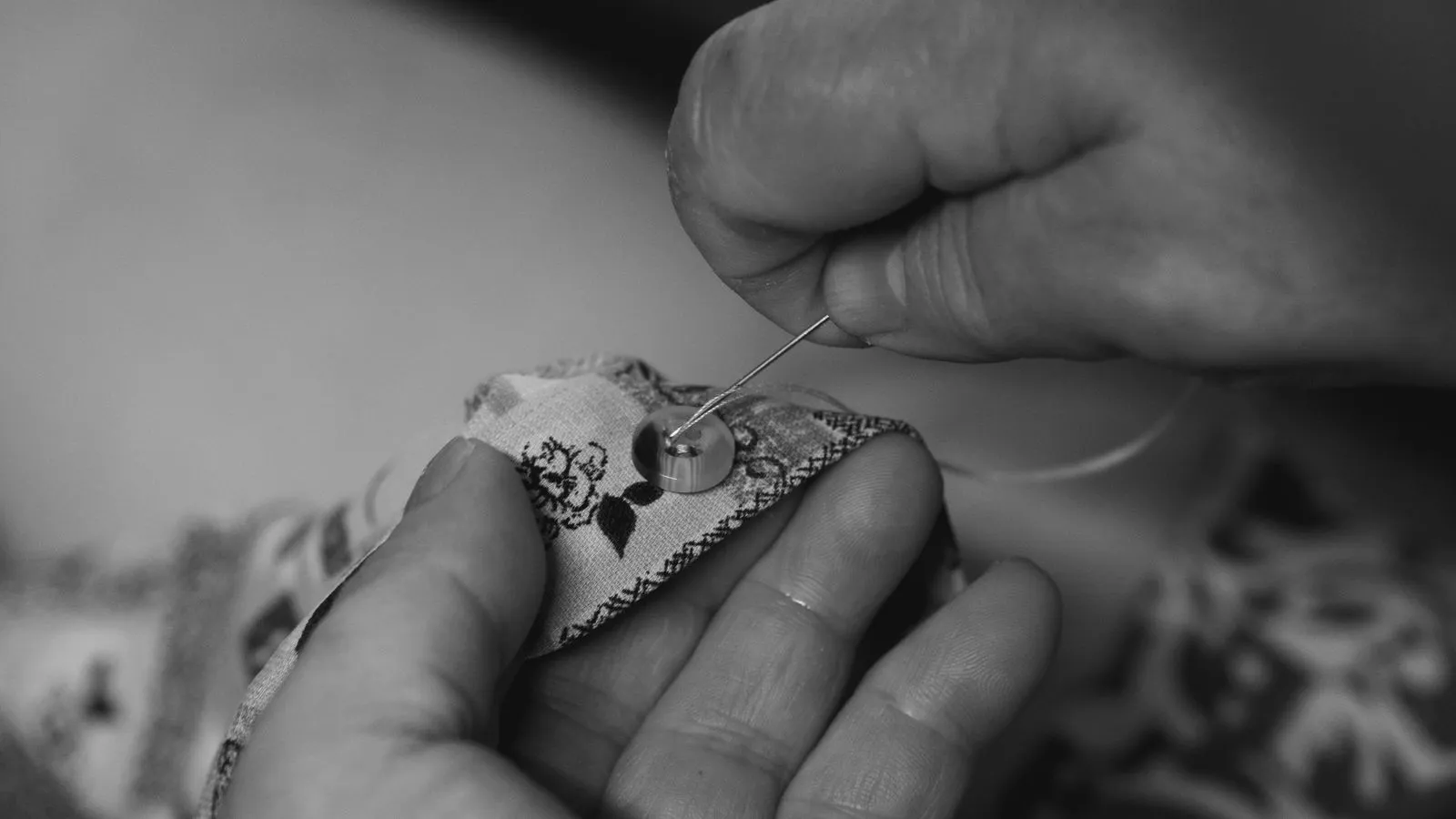
Vintage clothing often fits differently from modern garments, even when the label matches your usual size. A tailor can adjust areas such as the waist, sleeves, hem, or side seams, but the garment’s construction and condition set limits. Before making changes, check how much fabric is available, identify details you want to preserve, and decide how you plan to wear the piece. A careful fitting helps balance comfort, appearance, and the garment’s original character.
Fit changes a tailor can make
A tailor may be able to take in a loose waist or side seam, shorten sleeves, adjust a hem, or refine the fit through the shoulders. Small changes often work best because vintage garments may have narrow seam allowances or unusual construction. Bring the shoes and layers you expect to wear with the item so the tailor can check its length and movement in a realistic way.
Letting a garment out depends on whether extra fabric remains inside the seams. A tailor can inspect the seam allowance and explain how much room it offers. Some changes are more complex than they appear: moving a zipper, reshaping a jacket shoulder, or changing a dress’s proportions can affect its drape and balance. Ask what the finished result is likely to look like before approving substantial work.
Check condition and construction
Inspect the garment in good light before booking alterations. Look for weak seams, thinning fabric, small holes, stains, fading, and damage near closures or stress points. Delicate or brittle material may not tolerate repeated stitching, while a hidden repair could complicate a simple adjustment. Tell the tailor about any known repairs and point out areas that feel fragile.
Check how the garment is put together, not just how it looks on a hanger. Lining, pleats, darts, shoulder pads, unusual fasteners, and hand-finished edges can affect the work involved. If you are unsure whether a feature is original or a later repair, ask the tailor to assess it before it is removed or changed.
Decide what to preserve
Vintage details can be part of the garment’s appeal and value. Consider keeping original buttons, pockets, decorative stitching, labels, and distinctive hems where practical. If a hem needs shortening, ask whether the original finish can be retained or stored so the change can be reversed later. A tailor can also discuss options that alter less of the original construction.
Think about your priorities before the fitting: comfort, a closer silhouette, easier movement, or preserving the original shape. Bring reference photos if you have a specific look in mind, but use them to explain your preference rather than expecting an exact copy. Agree on which areas may change and which should stay untouched.
Prepare for the fitting
Wear the undergarments, shoes, and layers you expect to use with the piece. Tell the tailor where it pulls, gaps, rides up, or restricts movement, and try sitting, reaching, and walking during the fitting. These checks can reveal problems that are easy to miss while standing still. Be clear about whether you prefer a relaxed or close fit.
Ask which alterations are feasible, whether the fabric can safely handle them, and what trade-offs to expect. Avoid removing tags, cutting fabric, or attempting a home fix before the tailor has assessed the garment. If the piece needs cleaning, ask whether it should be cleaned before or after alterations, especially when its fabric or finish is delicate.
The best vintage alterations start with a careful inspection and a clear idea of what you want to preserve. A tailor can assess the garment’s fabric, construction, and available seam allowance, then recommend changes that suit both its condition and your fit preferences. Bring the piece in for an assessment before making irreversible changes.