
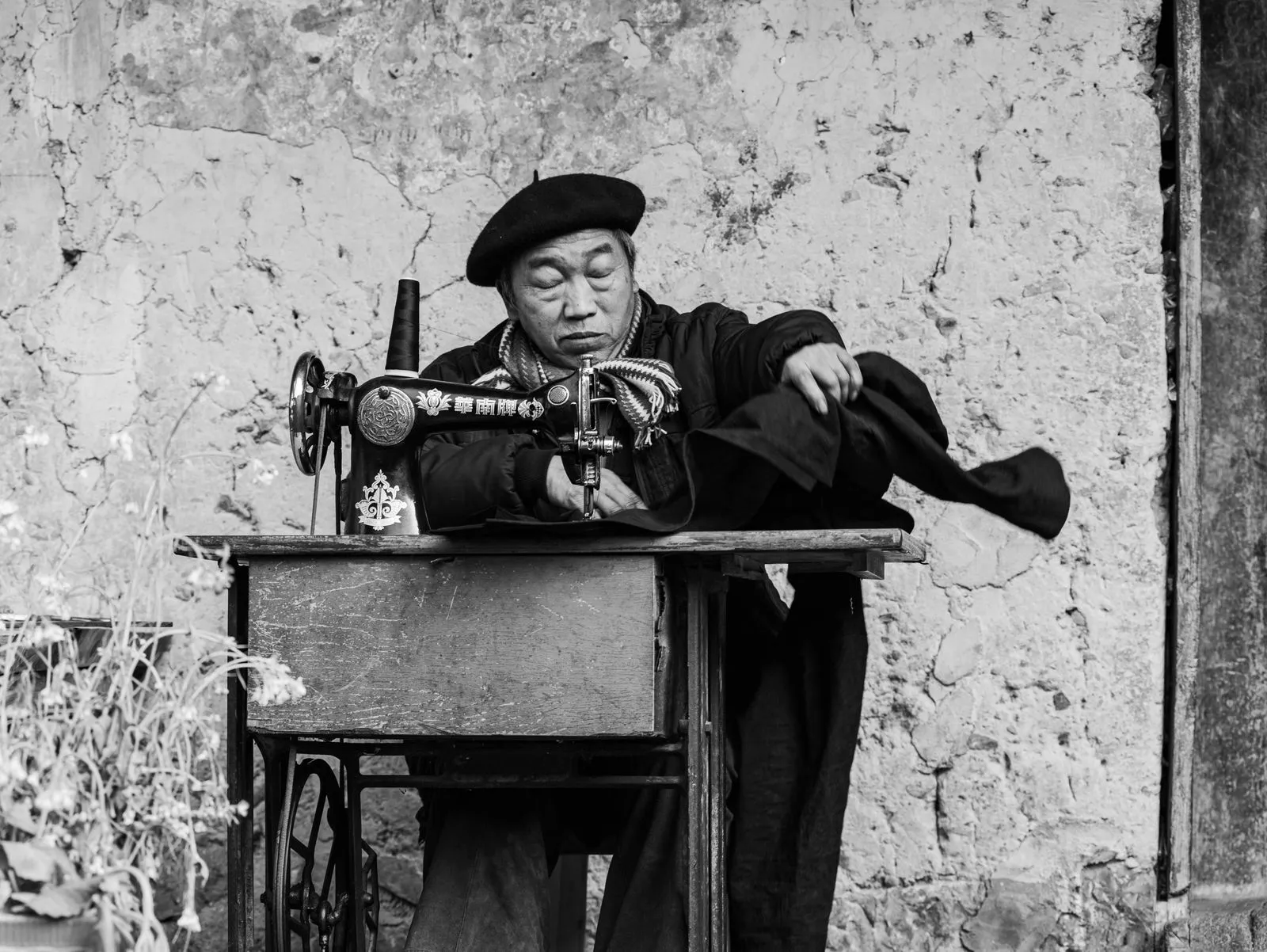
Vintage clothing can often be repaired, but the right approach depends on the fabric, the damage, and how the garment is constructed. A loose seam or missing button is usually a straightforward fix; thinning fabric may need more careful support. Before wearing or washing a damaged piece, check where the cloth is weakest and whether the repair could put more strain on it. A measured assessment helps protect the garment and avoids turning a small problem into a larger one.
Worn or Open Seams
A seam that has come undone can usually be restitched if the fabric beside it is still strong. A tailor can match the original stitch type and thread weight, then secure the seam without changing the garment’s shape. Check nearby areas too: repeated strain at the underarm, waist, or pocket may have weakened more than one section.
If the fabric has frayed right up to the seam, simply sewing along the edge may not hold. The repair may need a small amount of extra fabric turned under, a narrow support strip, or a discreet patch on the inside. Avoid pulling the garment closed or wearing it under tension before repair, since that can extend the split.
Missing Buttons and Fastenings
Missing buttons, hooks, snaps, and simple closures are often replaceable. Look for matching spare buttons, or check an intact button elsewhere on the garment for its size and style. A repairer can also select a close match or move an original button from a less visible spot, depending on the garment and your preference.
Before replacing a zipper or other complex fastening, check whether the original can be repaired. A loose hook, damaged slider, or a few missing stitches may be fixable without changing the whole closure. On delicate or historically distinctive clothing, keeping the original fastening may matter more than achieving a perfectly new appearance.
Small Tears and Snags
A small tear is a good candidate for repair when its edges are clear and the surrounding cloth remains stable. Depending on the fabric and location, a tailor may use fine hand stitching, a discreet patch, or an inside support. The goal is to hold the tear without puckering the fabric or making the repair more visible than necessary.
Do not trim loose threads or tug at a snag before the fabric is assessed. A pulled thread can distort a weave, while cutting it may cause the area to unravel. Keep the garment flat and avoid pinning through the damaged spot. Tell the repairer whether you prefer a nearly invisible fix or are comfortable with a visible, practical repair.
When Fabric Is Fragile
Thin, brittle, or shattering fabric needs extra care. If the cloth breaks when handled, has widespread thinning, or leaves fibers behind, ordinary stitching may create new holes. A repairer may recommend supporting the area from behind, using very fine stitches, or limiting the repair to prevent further loss.
Some damage cannot be restored to its original strength. Extensive deterioration, previous repairs, or fabric that has weakened across a large area may make wearing the piece risky. A professional assessment can clarify what can be stabilized and what should remain for occasional display. Avoid washing, ironing, or applying household adhesive until you know how the fabric will respond.
Many common problems can be repaired, especially when you catch them early and avoid stressing the damaged area. Keep the garment clean and dry, handle it gently, and ask a repairer to assess fragile fabric before attempting a fix. Oxford Garment Revival can help you discuss suitable repair options for a vintage piece.